The summer holidays provide schools with something that can be difficult to find during term time: an opportunity to inspect, repair and improve outdoor facilities without hundreds of pupils moving around the site.
Before pupils and staff return in September, facilities managers, school business managers, caretakers and site teams should take a careful look beyond classrooms and corridors. Cycle shelters, scooter storage, playground furniture, litter bins, outdoor storage and other external facilities all contribute to how safe, organised and welcoming a school feels.
The Department for Education’s Good Estate Management for Schools guidance emphasises the importance of planned maintenance and keeping the school estate safe, weatherproof and suitable for teaching and learning.
So, what outdoor facilities should schools review before the new academic year begins?
1. Cycle Shelters and Bike Storage
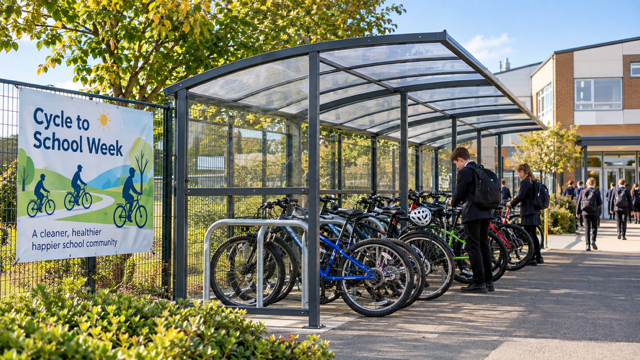
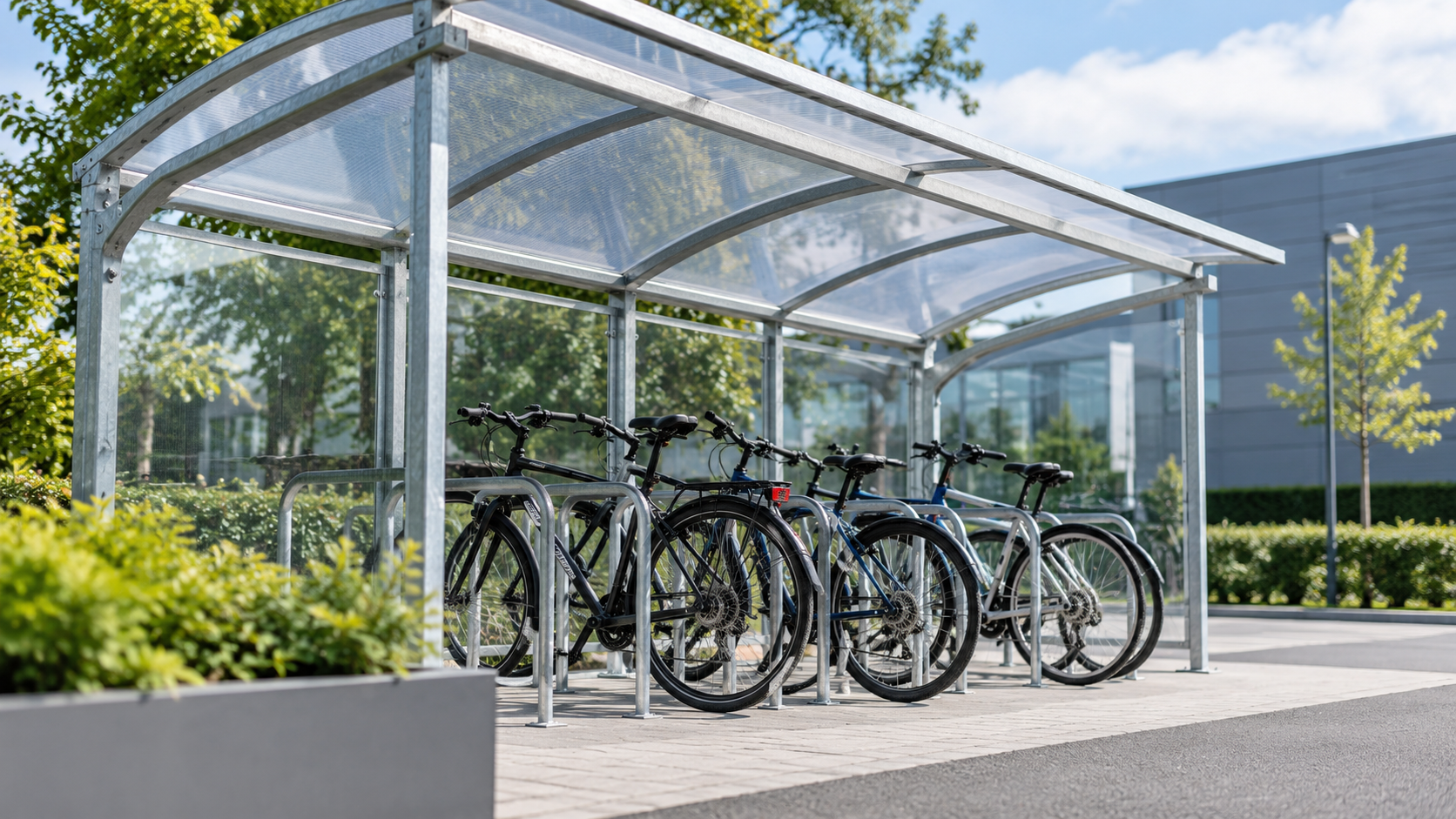
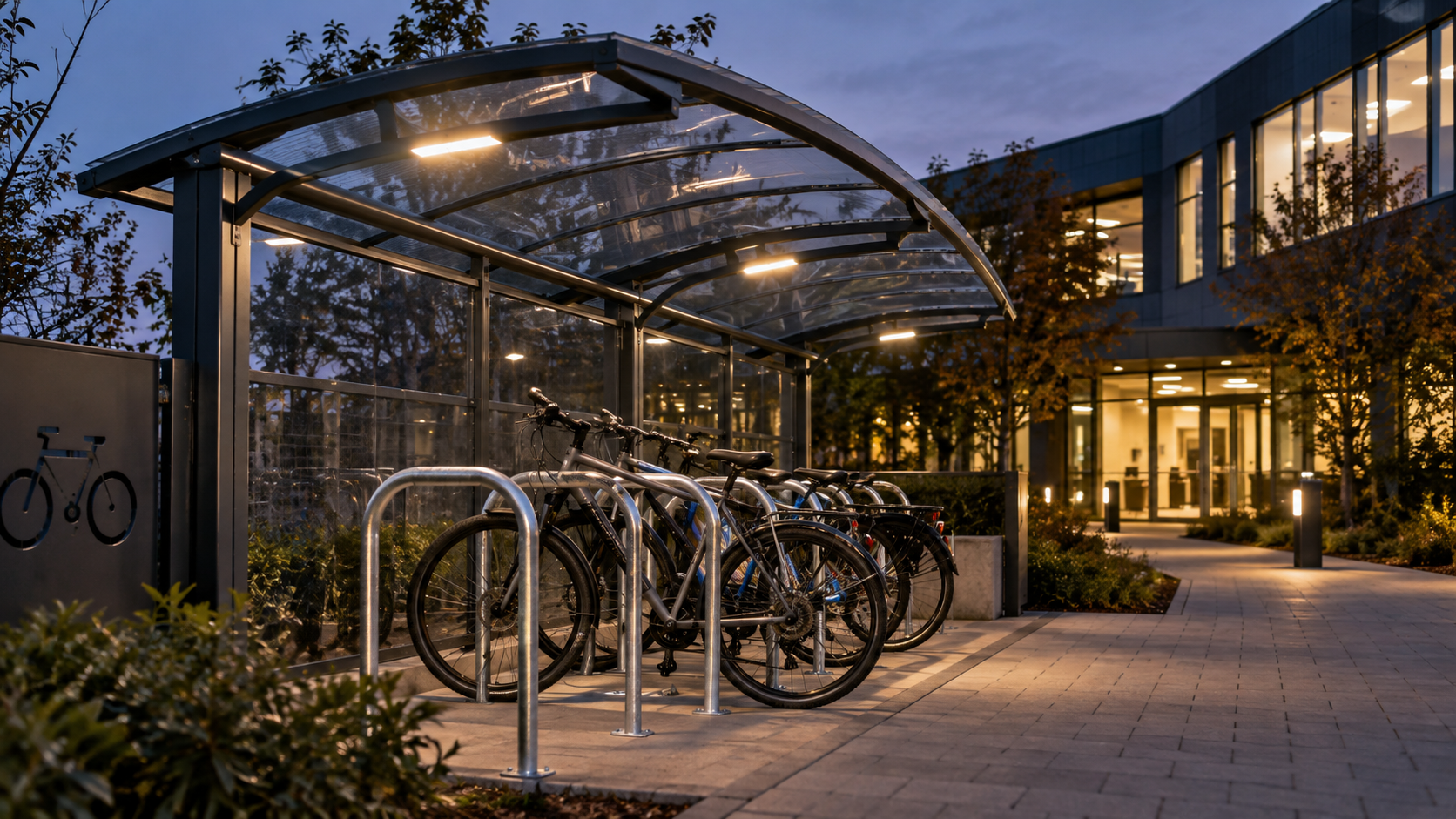
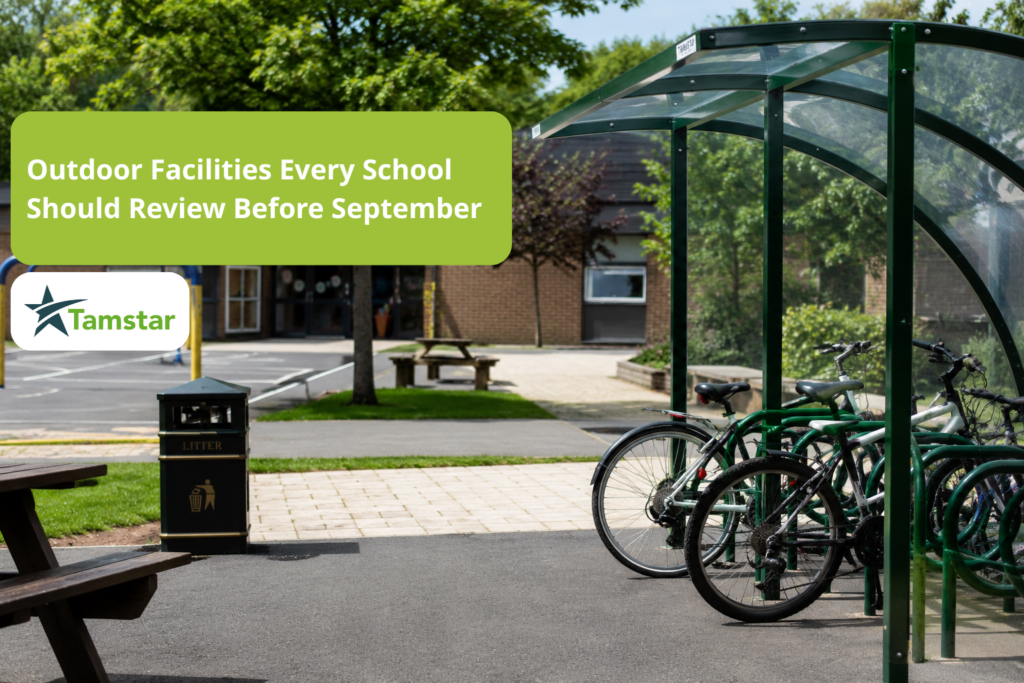
With many schools encouraging active travel, cycle storage for schools should be high on the summer inspection list.
A cycle shelter may look perfectly serviceable from a distance, but several years of daily use and exposure to British weather can take their toll.
Check:
- shelter frames for corrosion or damage
- roof and side panels for cracks or missing sections
- fixings, bolts and base plates
- cycle racks and stands for movement or damage
- drainage and accumulated leaves or debris
- access routes around the shelter
- whether existing capacity is still sufficient
It is also worth asking whether the current facility meets the way pupils actually travel to school. A small bike rack installed several years ago may no longer provide enough capacity.
Tamstar supplies cycle shelters, bike racks, Sheffield cycle stands and larger cycle storage systems suitable for schools and educational sites. Existing shelters may also be capable of refurbishment rather than complete replacement, depending on their condition.
A well-positioned, secure and weather-protected cycle parking area can make cycling to school considerably more practical for pupils and staff.
2. Scooter Storage
For primary schools in particular, scooters can create a surprisingly large storage problem.
Without dedicated school scooter storage, scooters may end up against fences, near entrances or occupying areas intended for pedestrians.
Before September, assess how many pupils regularly arrive by scooter and whether the existing racks provide enough organised storage.
A purpose-designed scooter shelter for schools can provide weather protection while keeping scooters concentrated in a defined area. Tamstar’s school cycle and scooter range includes solutions designed for multiple scooters as well as combined bike-and-scooter storage.
This is particularly worth considering when reviewing a school’s wider active travel facilities.
3. Playground Benches and Outdoor Seating
Outdoor seating gets extensive use throughout the academic year, yet it can easily be overlooked during maintenance planning.
Inspect school playground benches, picnic tables and outdoor seating for instability, damaged surfaces, loose fixings, sharp edges or deterioration.
Schools with older timber furniture may also want to consider whether continued maintenance represents the best long-term option.
Recycled plastic playground furniture can be particularly useful for educational environments because it is designed to withstand outdoor conditions while requiring relatively little ongoing maintenance. Tamstar supplies recycled plastic benches, seats and picnic tables suitable for primary schools, secondary schools, colleges and other educational settings.
Think about placement too. Are there enough seating areas? Can pupils use them comfortably at break and lunchtime? Could an underused section of playground become a useful outdoor social or learning space?
Sometimes relatively simple changes can make an outdoor area significantly more useful.
4. Playground Litter Bins and Recycling Facilities
A new term quickly brings packed lunches, snack wrappers, drinks containers and general playground waste.
Before September, inspect every school litter bin and recycling point.
Ask:
- Are there enough bins?
- Are they positioned where pupils actually need them?
- Are any damaged?
- Can they be emptied easily?
- Are recycling options clearly identifiable?
- Are the bins secure and suitable for outdoor use?
Bin placement is particularly important. If pupils have to walk too far to find one, litter is more likely to become an issue.
Tamstar supplies a range of outdoor litter bins for schools, including colourful playground designs and recycling bins manufactured from durable materials.
The summer break is an ideal time to reconsider bin locations before the playground becomes busy again.
5. Outdoor Sports and Equipment Storage
Balls, cones, playground equipment and PE resources all need somewhere to go.
When outdoor equipment lacks proper storage, it can create clutter and take up valuable indoor space.
Outdoor school storage lockers can provide a practical solution, particularly where sports or playground equipment needs to remain close to where it is used.
Before the autumn term, review existing storage for signs of damage, water ingress or inadequate security. Also check whether equipment has accumulated to the point where additional capacity is required.
Weather-resistant outdoor storage can help schools keep equipment organised while freeing up space elsewhere on the site.
6. Paths, Entrances and High-Traffic Areas
Outdoor facilities should not be considered individually. Schools should also look at the routes connecting them.
Walk the site as if you were a pupil arriving on a busy September morning.
Look for uneven surfaces, loose paving, damaged edging, poor drainage, overgrown vegetation and areas where bikes, scooters, bins or furniture restrict movement.
Entrances and perimeter areas deserve particular attention too. The Department for Education’s school security guidance recommends a considered, whole-school approach to security and risk assessment.
Summer provides an opportunity to identify issues before normal pupil and visitor traffic resumes.
7. Existing Outdoor Shelters
Any outdoor shelter on school grounds should receive a basic condition inspection.
Look closely at:
- glazing and polycarbonate panels
- framework
- roof sections
- fixings
- ground anchors
- coatings
- corrosion
- impact damage
Damage does not automatically mean that a shelter needs replacing.
Many steel-framed shelters can have panels replaced, frames recoated or components repaired. Reviewing the condition early gives facilities teams time to investigate school shelter refurbishment alongside replacement.
That can be particularly valuable where the basic structure remains sound.
8. Designated Staff Areas and Smoking Policies
Schools and colleges should also review any external staff smoking or vaping arrangements against their current site policy and applicable legislation.
Smoking is prohibited in enclosed and substantially enclosed workplaces, and educational establishments should consider safeguarding, site rules and exposure to pupils when deciding how external staff areas are managed.
With tobacco and vaping legislation continuing to develop, schools should check the latest government requirements rather than assuming an older arrangement remains appropriate.
For other educational campuses or organisations where a designated smoking area remains appropriate and lawful, any shelter should be positioned and maintained carefully and comply with the relevant smoke-free requirements.
Create a Simple Outdoor Facilities Checklist
Schools do not necessarily need a complicated inspection system.
A useful summer review can record each facility as:
Good condition – no action required
Maintenance required
Repair or refurbishment required
Replacement required
Additional capacity required
Photographing problem areas and recording priorities can also help facilities managers plan budgets and distinguish urgent work from longer-term improvements.
Why Review School Outdoor Facilities During Summer?
Waiting until September can make even relatively straightforward jobs harder.
Once pupils return, contractors may have restricted access, noisy work can become disruptive, and areas may need to be temporarily closed.
Reviewing school outdoor facilities during the summer holidays gives schools more time to plan maintenance, obtain quotations and arrange installations before the new academic year is fully underway.
It is also an opportunity to think beyond repairs.
Could additional cycle parking support active travel? Does the playground need more seating? Would dedicated scooter storage reduce clutter? Could recycled plastic furniture reduce future maintenance? Are litter and recycling facilities positioned effectively?
These relatively small facilities can have a noticeable impact on the everyday school environment.
Preparing Your School Grounds for September
A successful back-to-school preparation plan should include the entire site, not just classrooms.
Cycle shelters, scooter racks, outdoor seating, playground bins, storage and shelters all deserve attention before another year of heavy use begins.
At Tamstar Ltd, we supply a wide range of outdoor facilities for schools across the UK, including cycle and scooter shelters, bike racks, recycled plastic playground furniture, school litter bins, outdoor storage and shelter solutions.
Whether you are replacing an ageing facility, increasing cycle storage capacity or planning a wider upgrade to your school grounds, choosing durable products designed for demanding outdoor environments can help reduce maintenance and provide better long-term value.
Planning improvements before September? Explore Tamstar’s range of school outdoor facilities, cycle storage and outdoor products to find a solution for your site.