After years of supplying outdoor shelters and facilities products to organisations across the UK, I have noticed something interesting: the problems that cause the biggest headaches are rarely the most complicated ones.
Whether an organisation is installing a smoking shelter, cycle shelter, bike storage facility, canopy, outdoor seating area or other facilities management product, the same planning mistakes tend to appear repeatedly.
A shelter itself may be relatively straightforward. The real challenge is making sure it is the right product, in the right position, for the right number of people, and that the site is actually ready for it.
Here are some of the most common mistakes I see when organisations plan outdoor projects, and what I would consider before placing an order.
1. Choosing the Product Before Looking Properly at the Site
This is probably one of the easiest mistakes to make.
You find a cycle shelter or smoking shelter online, check the dimensions and decide that it should fit.
But fitting into a space and working properly in that space are two different things.
Before selecting an outdoor shelter, look at the entire area around the proposed location.
Consider pedestrian routes, doors, emergency exits, vehicle movements, existing street furniture, drainage, underground services and the space required for people to actually use the facility.
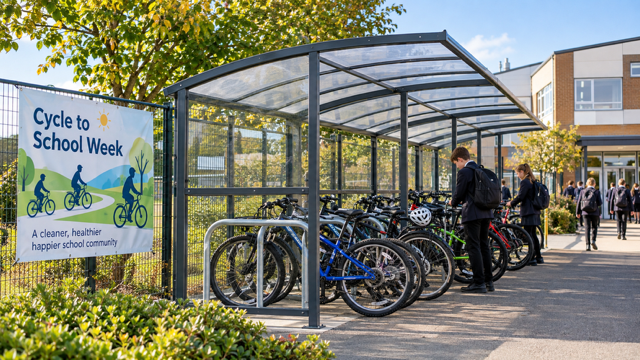
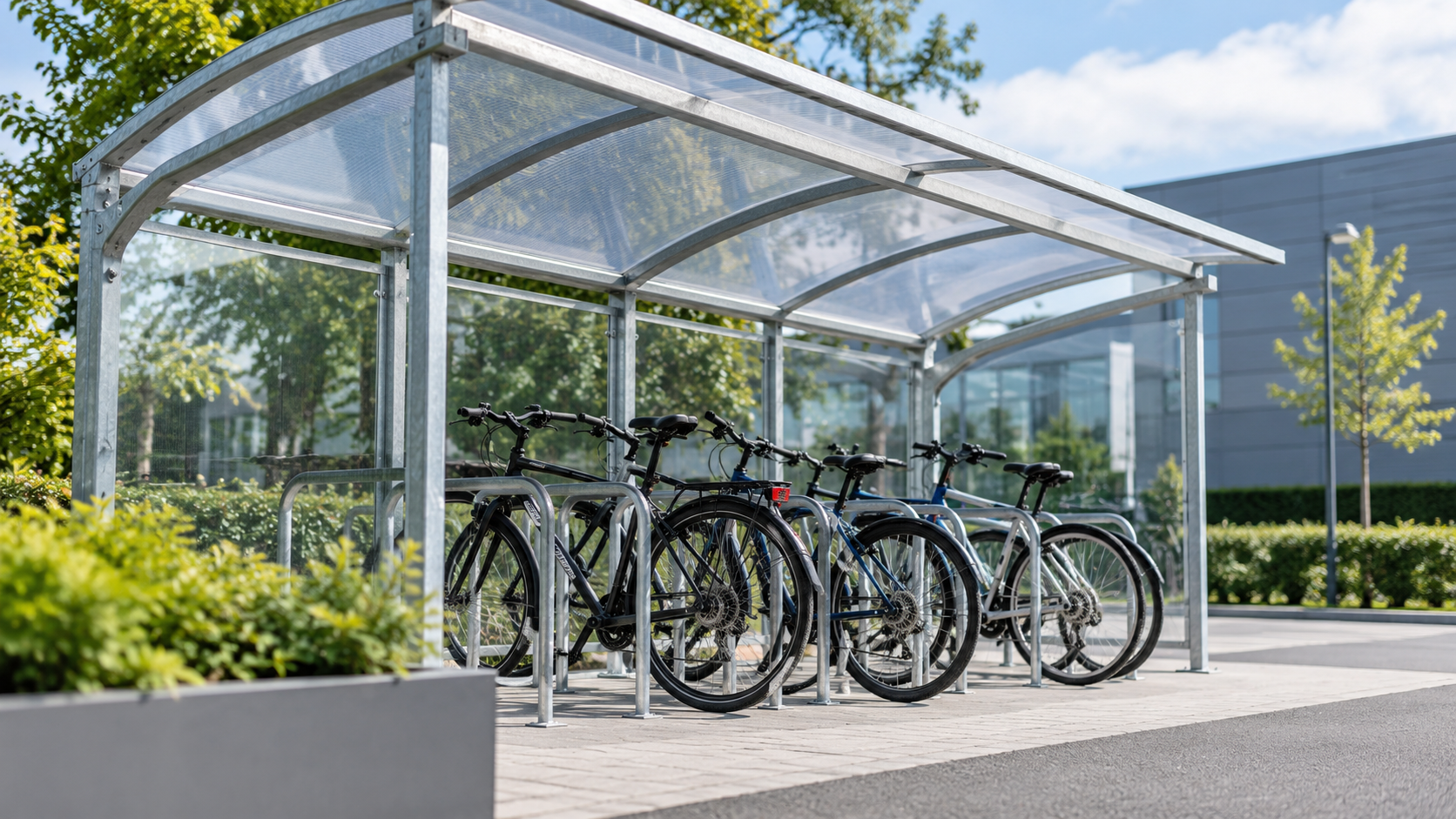
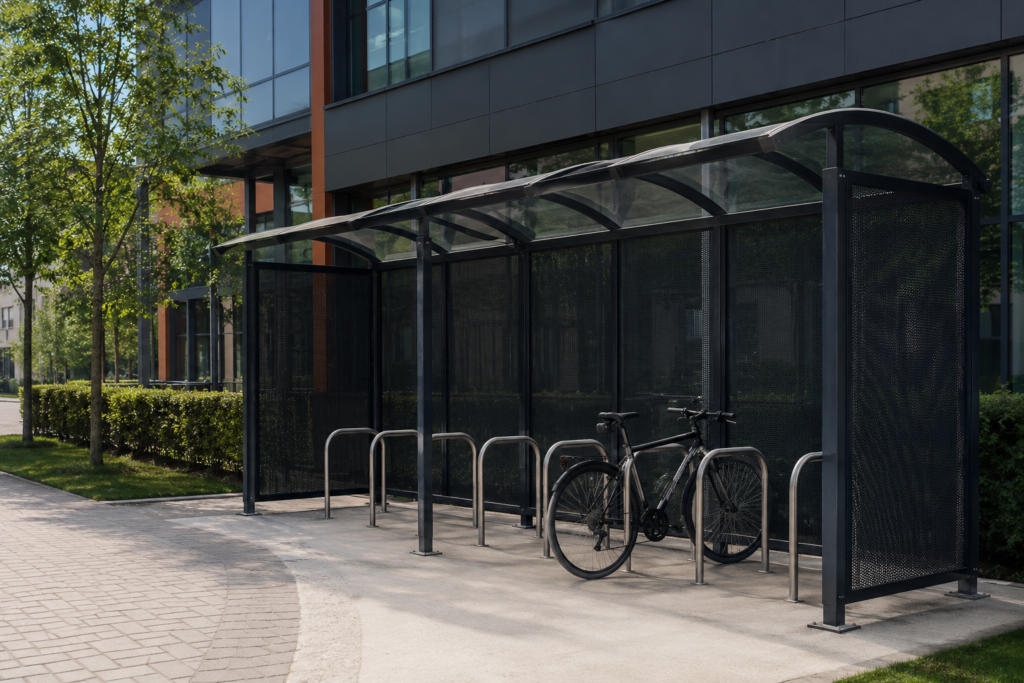
For cycle storage, it is not enough to accommodate the shelter itself. Cyclists also need enough room to approach, manoeuvre their bike and use the cycle stands comfortably.
My advice: start with the site and the users, then choose the product, not the other way around.
2. Getting the Capacity Wrong
Another common issue is planning around what is needed today rather than what is likely to be needed over the lifetime of the facility.
Imagine a workplace currently has six regular cyclists. Installing storage for exactly six bicycles may appear sensible, but what happens if a cycle-to-work initiative increases demand next year?
The same principle applies to workplace smoking shelters, school cycle shelters, scooter storage and outdoor seating.
Going unnecessarily large can waste budget, but installing something that is already close to capacity can create another expense surprisingly quickly.
Ask:
- How many people will realistically use the facility?
- Is demand seasonal?
- Is the organisation growing?
- Could staff or pupil numbers change?
- Is there space for future expansion?
A little forward planning can prevent an outdoor facility from becoming inadequate soon after installation.
3. Ignoring the Base or Ground Conditions
People understandably spend a lot of time thinking about the shelter and far less time thinking about what is underneath it.
That can be a costly oversight.
The surface and ground conditions can affect installation, stability, drainage and the amount of preparation required. An existing concrete area may present a very different installation scenario from block paving, tarmac or soft landscaping.
Before ordering, establish what the existing surface is and whether additional groundwork may be required.
Photographs, dimensions and information about the proposed installation area can be extremely useful at this stage.
It is much better to identify a potential groundwork problem during planning than when an installation team arrives on site.
4. Treating a Smoking Shelter Like Any Other Shelter
A smoking shelter requires additional consideration because UK smoke-free requirements apply to enclosed and substantially enclosed workplaces and public places.
Where a smoking shelter has a roof, the amount of enclosure matters. In general, a shelter must not become wholly or substantially enclosed; the commonly referenced “50% rule” means sufficient wall area must remain permanently open.
Doors, windows and other fittings that can be closed do not simply count as permanent open space.
This is why organisations should not buy a general outdoor shelter and assume it automatically makes a suitable smoking shelter.
Location matters too.
Think about smoke drifting towards windows, entrances or neighbouring premises, as well as pedestrian routes and the people using the surrounding area.
If there is any uncertainty about local requirements or planning permission, check with the relevant local authority before installation.
5. Forgetting About Accessibility
An outdoor project should not create unnecessary barriers for the people moving around it.
When choosing the location of a shelter, seating area or other outdoor facility, consider existing accessible routes, entrances, ramps and circulation areas.
A badly positioned shelter can turn what looked like unused space into an obstruction.
Accessibility should therefore be part of the initial site assessment rather than something considered after the product has been installed.
That is particularly important for schools, hospitals, workplaces, public buildings and other busy sites where many different people may need to move safely through the area.
6. Not Thinking About Drainage and the British Weather
Anyone responsible for outdoor facilities in the UK knows that weather matters.
But weather planning should go beyond choosing corrosion-resistant materials.
Think about where rainwater currently travels across the site. Does water already collect in the proposed location? Could the new installation affect drainage? Will users have to walk through puddles to reach it?
Current planning policy increasingly emphasises sustainable drainage and responsible management of surface water.
A technically suitable location may therefore still be a poor practical choice if it regularly becomes waterlogged.
Orientation matters too. Consider prevailing weather, wind-driven rain and the direction from which users are most likely to approach.
7. Focusing Only on the Purchase Price
Budget obviously matters, but the cheapest initial option is not necessarily the cheapest outdoor facility over its working life.
Consider the materials, expected usage, potential for accidental damage, replacement parts and future maintenance.
A shelter installed at a busy school or workplace can receive considerable daily use.
At Tamstar, many of our outdoor shelters use materials such as galvanised steel and polycarbonate glazing, selected to provide durable outdoor solutions.
Maintenance should still be considered from day one. Cleaning, checking fixings, removing leaves and debris, inspecting panels and dealing with minor damage early can all help extend the useful life of outdoor equipment.
8. Leaving Safety and Installation Planning Until the End
For commercial organisations, even relatively straightforward construction work needs to be managed properly.
Under the Construction (Design and Management) Regulations 2015, commercial clients have responsibilities relating to how construction projects are planned and managed.
That includes appointing appropriate people, providing relevant information and allowing sufficient time and resources for work to be completed safely.
This is another reason why installation should not be treated as an afterthought.
Consider site access, delivery vehicles, pedestrian segregation, working areas and whether the location remains operational while installation takes place.
On a school site, for example, completing work during a holiday period may considerably simplify access and reduce disruption.
9. Forgetting What Happens Around the Shelter
A shelter rarely works in isolation.
- For a smoking area, you may also need to think about cigarette bins, signage and surrounding cleanliness.
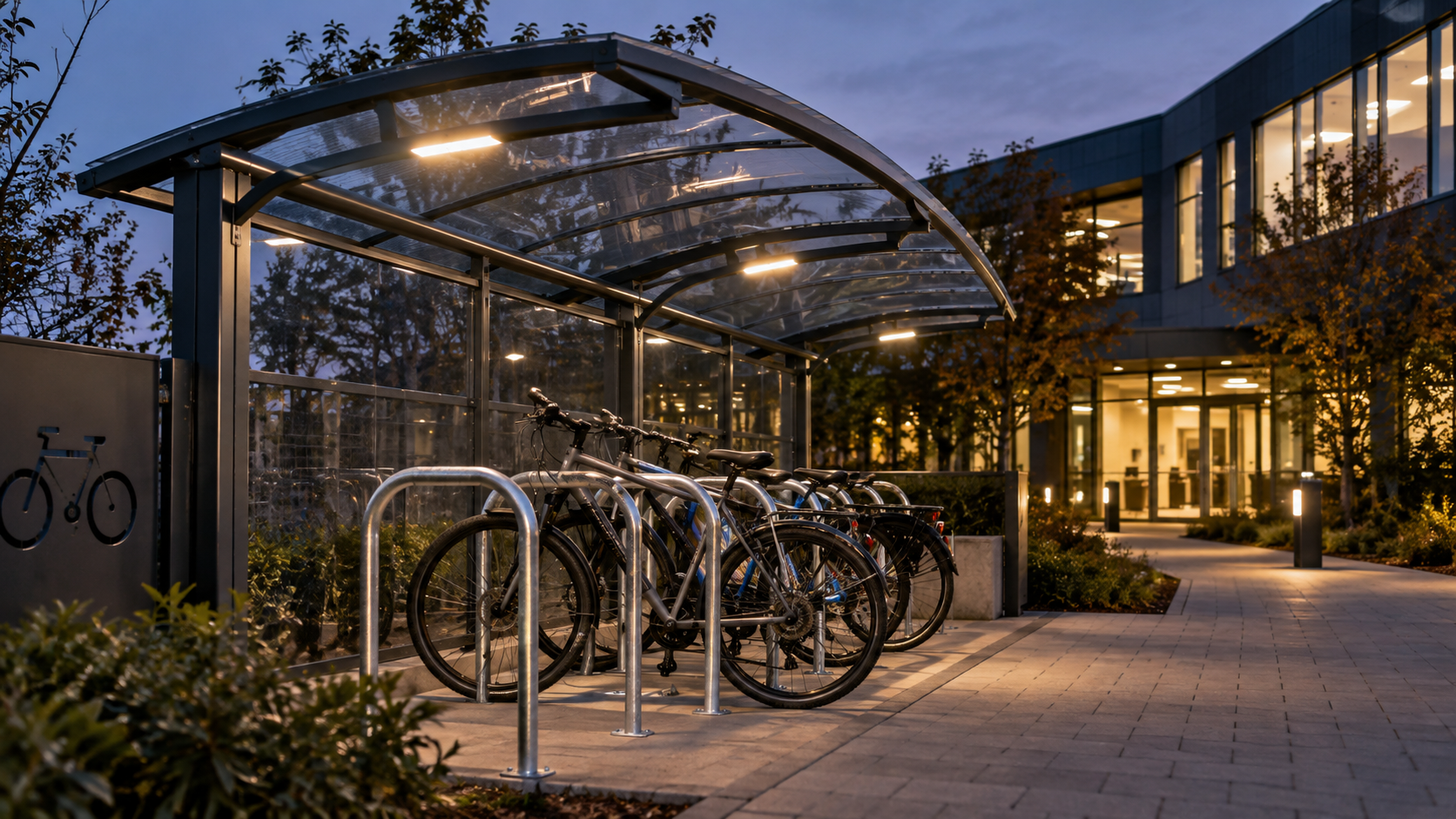
- For a cycle shelter, consider the cycle stands, or Sheffield stands, security, lighting and access.
- For a school shelter, think about pupil movement, supervision and how the surrounding space is used throughout the day.
Looking at the entire outdoor area rather than one individual product usually produces a better result.
10. Not Asking for Advice Early Enough
Perhaps the biggest mistake is assuming you need to have every answer before speaking to a supplier.
You don’t.
In fact, early conversations are often the most useful ones.
Basic information such as photographs, approximate measurements, intended capacity, surface type and how the facility will be used can help identify suitable options before too much time is spent pursuing the wrong solution.
A Better Approach to Outdoor Project Planning
For me, good outdoor project planning comes down to a fairly simple principle:
Understand the site. Understand the users. Then select the product.
Before committing to a new smoking shelter, cycle shelter or outdoor facility, I would check the location, dimensions, capacity, ground conditions, access, drainage, safety requirements, relevant regulations and likely future demand.
Doing that work early can save considerably more work later.
At Tamstar Ltd, we supply outdoor facilities products to organisations across the UK, including smoking shelters, cycle shelters, cycle storage, school products, outdoor furniture and site safety solutions.
If you are planning a new outdoor project and are unsure which solution best suits your site, speak to the Tamstar team before ordering. A few details about the location and what you need the facility to achieve can make it much easier to identify the right solution.
By Mans Khan, Tamstar Ltd