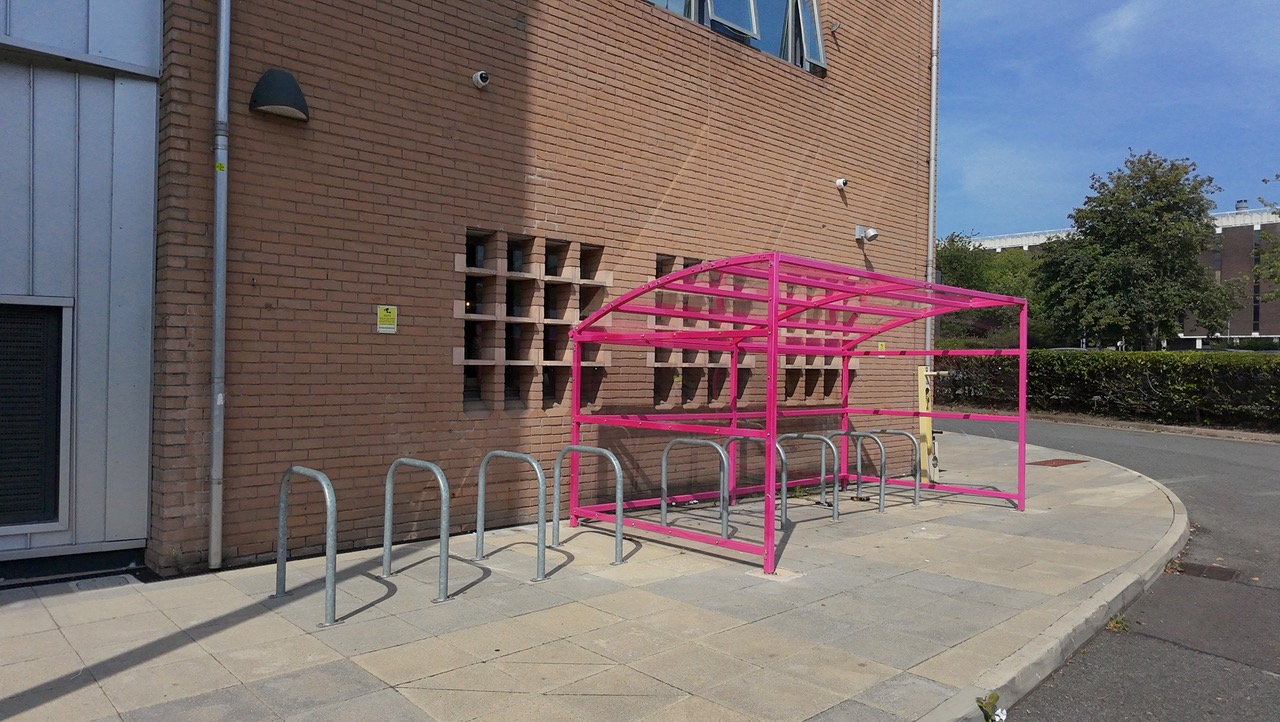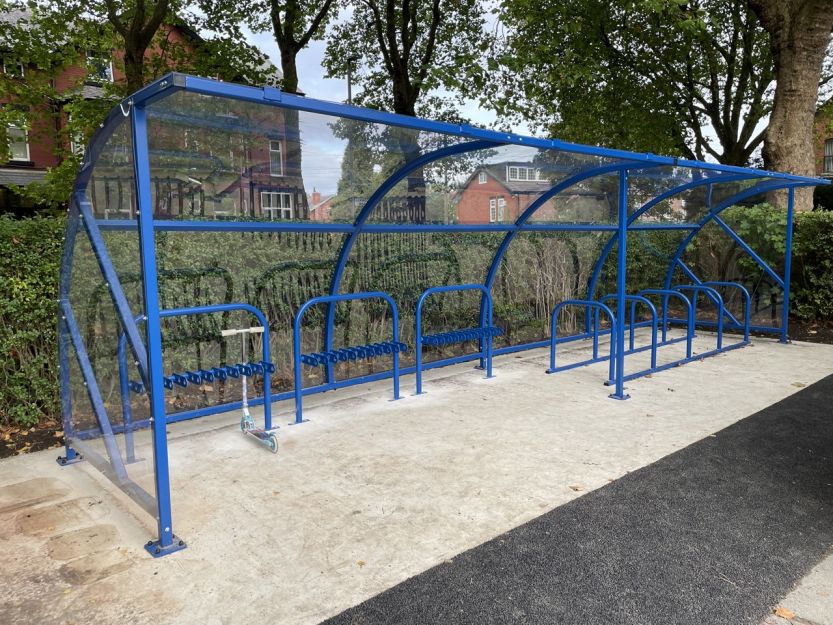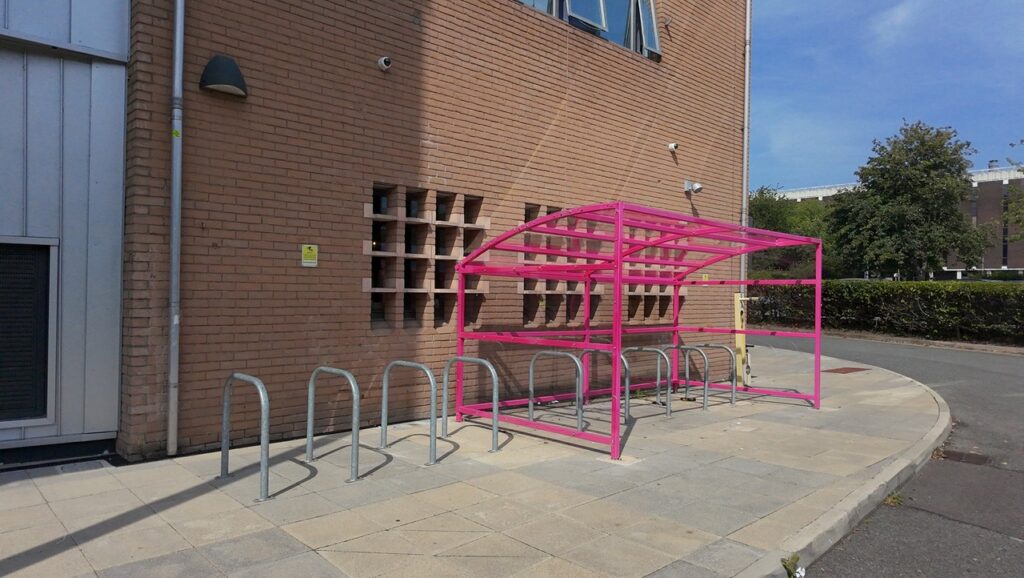
A new year is the perfect time to check areas of your site, especially the structures people use every day but rarely think about until something goes wrong. Smoking shelters, cycle shelters, and other outdoor covered areas quietly take a battering through winter: wind-driven rain, grit, UV exposure, temperature swings, and heavy footfall. By the time spring arrives, shelters can look tired, cloudy, or even unsafe, despite the main frame still being perfectly serviceable.
For 2026, many organisations are choosing a smarter route: outdoor shelter refurbishment or restoration. Refurbishment can deliver that “new look” finish, restore usability, and extend lifespan, often at a fraction of the cost and disruption of full replacement.
At Fix My Shelter (our sister company), refurbishment isn’t an afterthought. It’s a practical, planned approach to help UK sites keep shelters compliant, presentable, and fit for purpose, without unnecessary spend.
Why shelters look “old” before they’re finished
Most outdoor shelters don’t fail all at once. They age in layers:
1) Cloudy or cracked Perspex glazing panels
Clear panels can become scratched, hazy, brittle, or cracked over time. Once visibility drops, shelters immediately look neglected, especially on customer-facing sites, schools, hospitals, and office entrances. Fix My Shelter refurbishment guidance highlights that replacing or upgrading worn glazing can restore functionality and appearance (often without touching the frame).
2) Corrosion, peeling paint, and tired finishes
Steel components can develop surface corrosion or flaking coatings, which is common where grit and moisture sit on edges and fixings.
3) Loose fixings and rattles
High winds and repeated use can loosen fixings, panels, doors (where applicable), and roof elements, creating noise, movement, and eventual damage.
4) Outdated layout and usability
For bike shelters, you may find the shelter “works” but doesn’t suit how people park today (capacity, spacing, access). Refurbishment is the ideal time to improve practicality without starting from scratch.
Refurbish vs replace in 2026: the cost and disruption question
Full replacement has its place, especially for shelters with structural failure or extensive impact damage. But in many cases, the frame is still sound, and the most visible problems are the “consumables”: panels, fixings, finishes, and accessories.
Refurbishment is often the best option when you want:
- A fast visual uplift (the “new look” effect)
- Less downtime and less site disruption
- Better value by reusing what’s already serviceable
- Targeted upgrades (anti-vandal panels, improved roof sheets, refreshed fittings)
In other words: replace what’s worn, refresh what’s tired, and keep what’s working.
Smoking shelters: keep them usable and aligned with UK workplace rules
For many employers, smoking shelters aren’t about promoting smoking; they’re about managing designated areas responsibly while maintaining a tidy, controlled environment.
UK law bans smoking in enclosed workplaces (and most enclosed public spaces). That’s why smoking areas are typically outdoors and designed to remain sufficiently open. Official UK guidance is clear that smoking is not allowed in enclosed workplaces, and enforcement sits with local authorities.
In practical terms, a tired shelter can create problems:
- Reduced visibility due to cloudy panels (looks unwelcoming and poorly maintained)
- Damaged roof or side panels, allowing wind and rain to blow through
- Unsafe sharp edges or cracked glazing
- Poor overall presentation at entrances or staff areas
A well-planned smoking shelter refurbishment can restore appearance and improve day-to-day use, without turning the shelter into an “enclosed” structure.
Cycle shelters: refurbishment that improves safety and day-to-day use
Cycle storage is often a high-visibility feature, especially for schools, councils, business parks, and workplaces supporting active travel. But bike shelters commonly suffer from:
- Cracked roof sheets
- Missing panels
- Hazy side panels that look dirty even when cleaned
- Rust spots and worn coatings
- Loose or missing fixings
- Layout changes are needed for modern bikes and increased demand
Fix My Shelter cycle shelter refurbishment services references upgrading of glazing panels (including durable, UV-resistant options) to improve performance and extend service life.
For 2026, a refreshed bike shelter also supports better site perception: it signals you’re investing in staff wellbeing, sustainability, and a well-run facility.
The Fix My Shelter approach: practical upgrades that make the biggest difference
Refurbishment works best when it’s targeted. The biggest “before and after” wins typically come from a few key upgrades:
1) Glazing panel replacement and upgrades
Replacing worn/missing panels is one of the fastest ways to transform a shelter’s look. In most cases, we provide branded Perspex/polycarbonate sheets to provide impact resistance and UV protection in open-fronted shelter designs.
Depending on your site needs, upgrades may include:
- Clear replacement panels to restore visibility and brightness
- More robust, impact-resistant options for high-risk locations
- Panel upgrades that better handle weathering and everyday knocks
2) Fixings, trims, and “rattle removal”
Small components cause big headaches. Replacing missing fixings, renewing trims, and properly securing panels can stop movement, reduce noise, and prevent water ingress.
3) Frame refresh: clean, treat, protect
Where steelwork is still structurally sound, refurbishment can include cleaning, treating corrosion points, and refreshing protective coatings to extend life and improve appearance.
4) Accessory and usability improvements
For cycle shelters, this can be the moment to review:
- Capacity vs usage
- Practical access and spacing
- Whether additional shelter elements are needed (without replacing the whole unit)
When replacement is the right call
Refurbishment is powerful, but it’s not magic. You should consider replacement when:
- The frame is bent, failing, or unsafe
- Damage is extensive across multiple structural components
- The shelter no longer meets your needs and cannot be adapted sensibly
If you’re unsure, the right starting point is a straightforward condition check: what can be retained, and what must be replaced?
Plan it now: the best time to refurbish for 2026
Winter damage is easiest to spot now, and refurbishment planning early in the year helps you:
- Avoid emergency repairs later
- Schedule work around site operations
- Improve appearance ahead of spring/summer footfall
- Extend shelter life before problems escalate
If your shelter panels are cloudy, cracked, or rattling, that’s your sign: you don’t necessarily need a brand-new shelter; you may just need the right refurbishment.
Ready to give your shelters a “new year, new look”?
If you want to discuss smoking shelter refurbishment, cycle shelter refurbishment, or shelter glazing panel replacement, Fix My Shelter can help you identify the most cost-effective upgrade path for 2026.