With the school gates closed for the long summer break, schools in the UK have a golden opportunity to transform tired playgrounds into dynamic, safe, and inspirational spaces for children. Whether you’re focused on budget-friendly upgrades or longer-term projects, here’s how to make the most of those precious weeks before the new term.
1. Prioritise Safety With Inspections & Surfacing Refresh
Playground safety is a top priority. Conduct inspections to check for wear on equipment, damaged surfaces, or broken fixtures. Repair or replace surfacing in high-traffic zones to refresh the look and ensure safety.
Rubberised safety surfacing or colourful playground tiles can improve both aesthetics and compliance with safety standards. Soft surfaces not only protect children from injury but also enhance accessibility for students with mobility needs. During inspections, don’t forget to evaluate fencing, gates, and access routes for potential hazards or maintenance issues.
2. Smart Zoning for Flow and Function
Dividing your playground into zones for different activities enhances safety and usability. Create areas for sports, quiet time, climbing, and group games. This structured approach encourages more inclusive and harmonious use of outdoor space.
For example, an active zone might feature ball games and physical activities, while a calm zone could include seating, sensory panels, or a reading garden. These dedicated zones help teachers and supervisors monitor and manage student activity more effectively while offering children greater choice in how they engage with playtime.
3. Add Shade and Seating Areas
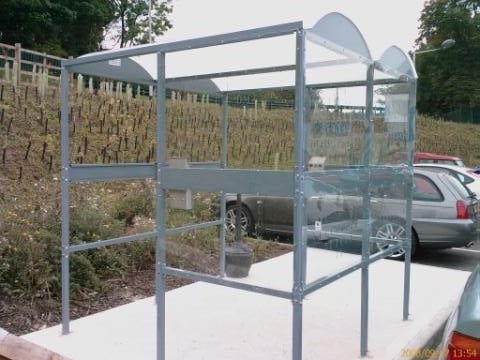
UK summers are becoming increasingly unpredictable, making shaded areas a necessity. Adding canopies, pergolas, or trees creates spaces for rest and outdoor learning.
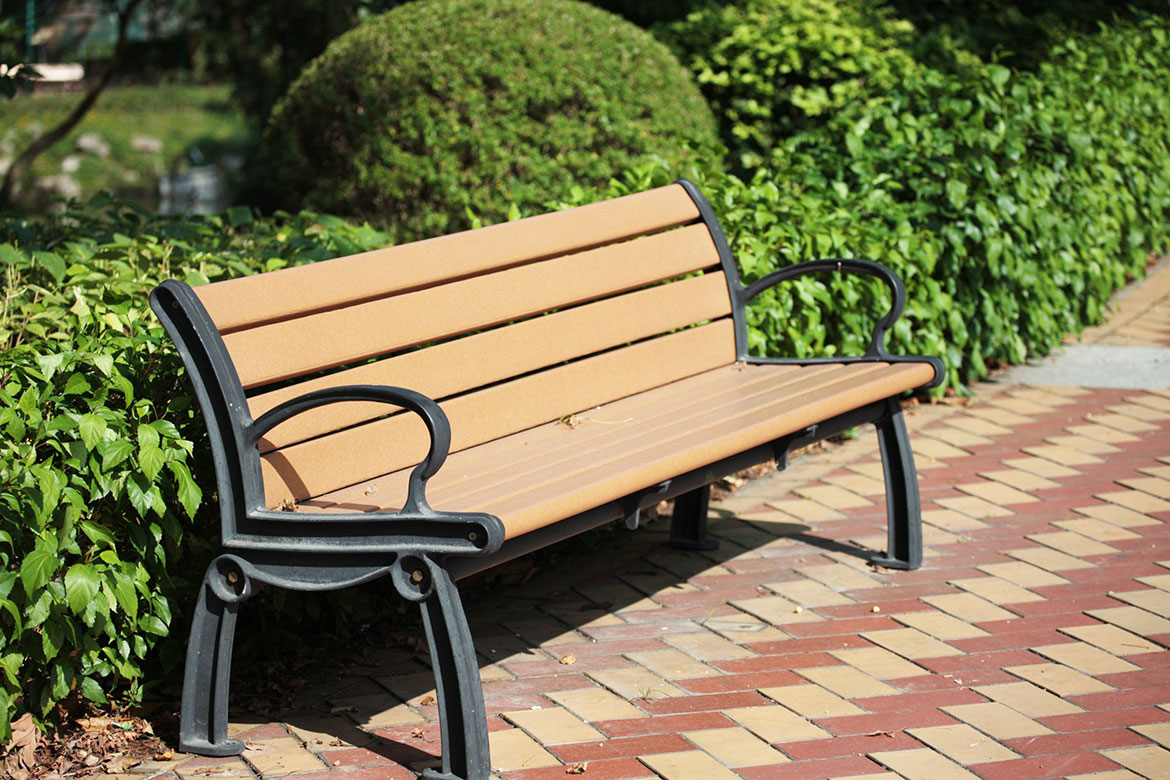
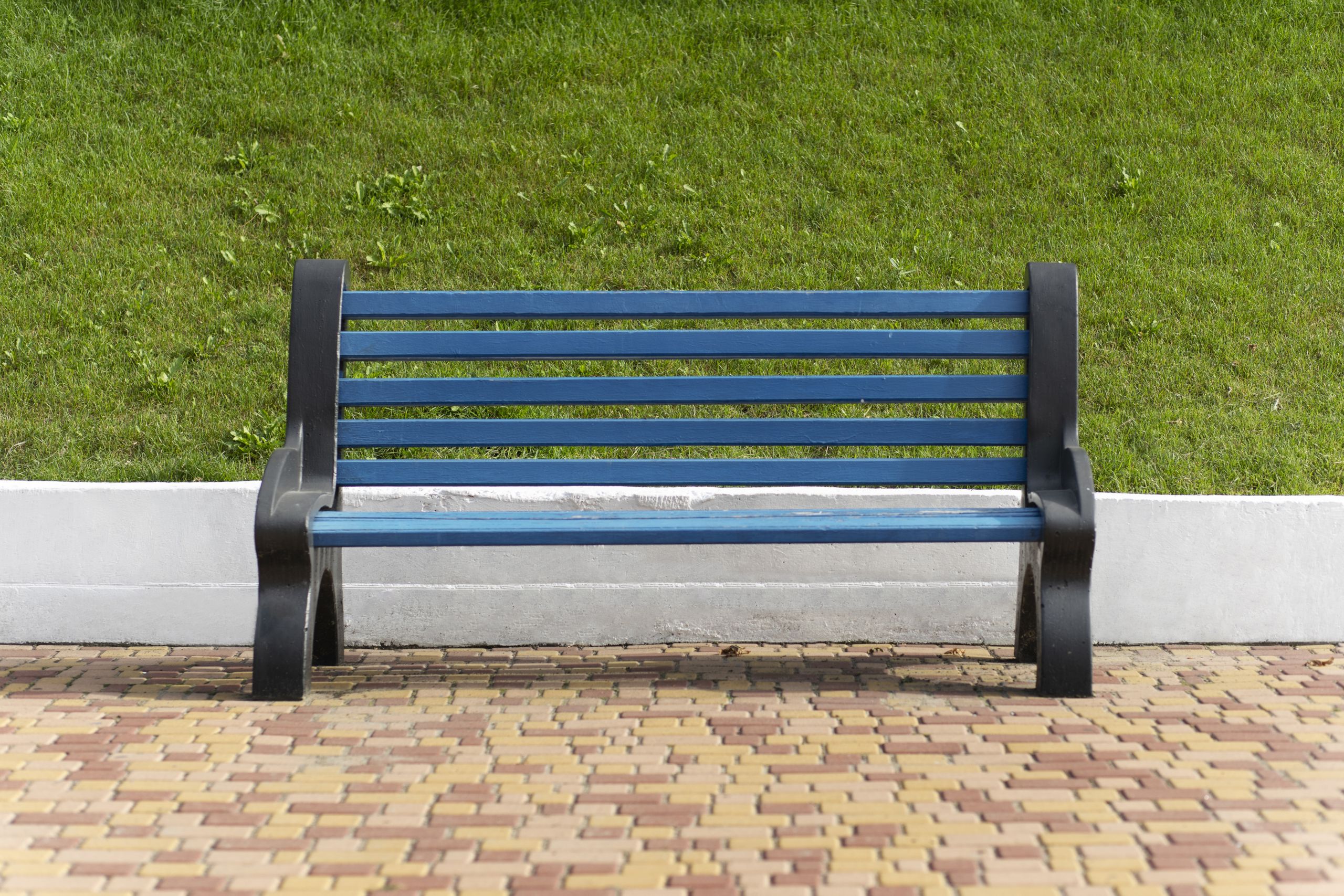
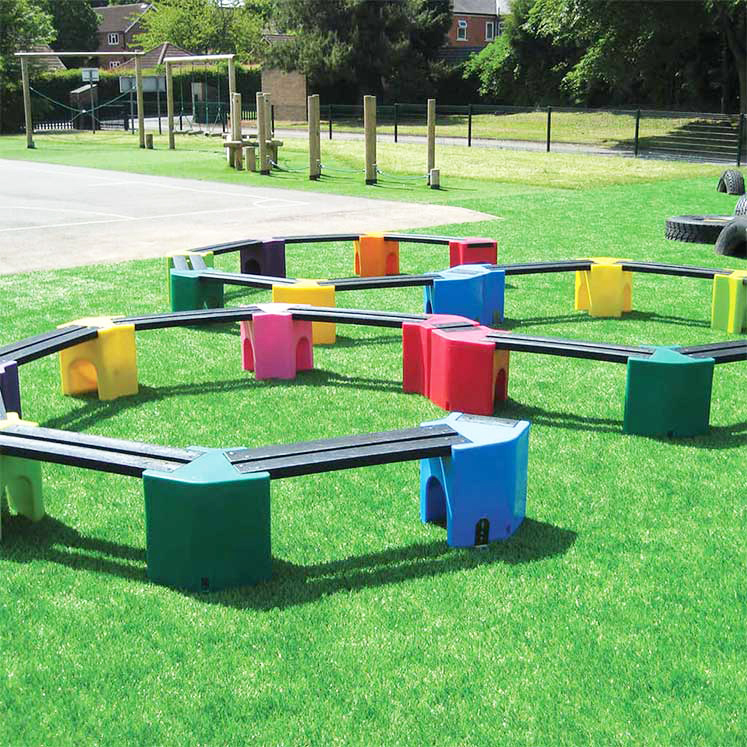
Benches and picnic tables under shelters allow for relaxed social time and lunchtime breaks. Consider seating with integrated planters to combine comfort and greenery. These shaded areas also serve as useful outdoor classrooms or safe waiting areas for parents and carers during pick-up times. Shade helps reduce the risk of overheating and provides a valuable space for sun-sensitive children to enjoy time outdoors.
4. Greener Play Spaces
Introducing planters, hedges, and green walls brings a sense of calm and enhances air quality. These features double as hands-on learning tools in subjects like biology and environmental studies.
Natural playscapes with logs, stones, and sand support motor skill development and imaginative play while encouraging children to interact with nature. Installing insect hotels, composting areas, or rainwater collectors can help students learn about sustainability and biodiversity in practical, engaging ways. Incorporating greenery also helps reduce noise pollution and soften the visual impact of fences and walls.
5. Encourage Adventure and Exploration
Adventure playgrounds with loose parts like crates, tyres, and wooden planks inspire creativity and risk assessment in a safe setting. These temporary or permanent additions can be introduced gradually over summer.
Outdoor dens, climbing walls, and scramble nets offer further opportunities for exploration and self-led learning. These features help children build confidence, problem-solving abilities, and resilience through unstructured play. Schools with limited budgets can host community days for families to help build or install equipment, promoting local engagement and pride.
6. Educational and Sensory Play Zones
Incorporate play panels, alphabet trails, counting games, and musical instruments to support cognitive development and learning through play. Painted games on tarmac, such as hopscotch or mazes, can also reinforce learning objectives.
Sensory play items such as textures, sounds, and interactive features benefit all children, particularly those with additional needs. Adding water tables, textured pathways, and scented plants can enhance these zones. Multi-sensory play encourages inclusive participation and supports emotional regulation, making playgrounds more welcoming for neurodiverse learners.
7. Refresh Existing Equipment and Features
Simple changes can breathe new life into a playground. Repainting faded markings, fixing benches, or adding a few new sports items like hoops or skipping ropes can make a big difference.
Updating bins, fencing, or signage in vibrant colours adds a welcoming touch and encourages pride in the school environment. Regular maintenance extends the lifespan of existing equipment and shows students that their school environment is cared for. Consider installing storage units or lockable boxes to safely store loose play equipment between breaks.
8. Involve Pupils and the Local Community
Involving students in the decision-making process gives them ownership over their space. Hold a design competition or student survey to gather input. Engaging children early on ensures that improvements meet their needs and preferences.
Partnering with local tradespeople, garden centres, or community groups can also bring valuable skills and resources to your project. Schools might also consider forming a parent-volunteer improvement committee or applying for local grants. Collaboration fosters community pride and builds long-term support for future initiatives.
9. Invest in Climate-Ready Design
With rising temperatures, schools must adapt their outdoor spaces. Swap tarmac for grass or rubber surfaces that absorb less heat. Shade structures, light-coloured materials, and trees can reduce playground temperatures and improve comfort.
These improvements help ensure outdoor learning and play continue safely, even during hotter months. Consider drought-resistant plants, permeable paving for improved drainage, and green roofs on shelters to support sustainable design. These changes not only mitigate heat but also align with broader environmental goals.
10. Stay in Step with National Trends
Across the UK, there’s a growing recognition of the importance of outdoor play in education. Government-backed nature and wellness initiatives support the idea that greener playgrounds are better for learning and wellbeing.
Many funding opportunities now prioritise outdoor education and mental health—aligning your improvements with these themes can help secure future support. Schools that embrace these trends often see improved behaviour, engagement, and attendance. Staying informed about new DfE guidelines, local council schemes, and environmental funding will help ensure your playground evolves in line with best practice.
Why These Upgrades Matter
- Improve safety: Inspections and repairs protect children from harm.
- Boost engagement: A varied, well-designed playground encourages all children to play.
- Support learning: Outdoor zones provide opportunities for lessons in maths, science, and art.
- Foster inclusion: Sensory play and quiet zones support children with diverse needs.
- Future-proofing: Heat-resistant designs and climate-aware planning prepare schools for changing conditions.
- Encourage wellbeing: Green, open environments reduce stress and promote physical activity.
- Build community: Collaborative upgrades can unite parents, teachers, and students around a shared vision.
By taking action over the summer break, schools can create outdoor environments that nurture the health, happiness, and development of every child—ready for a brighter, more playful term ahead.